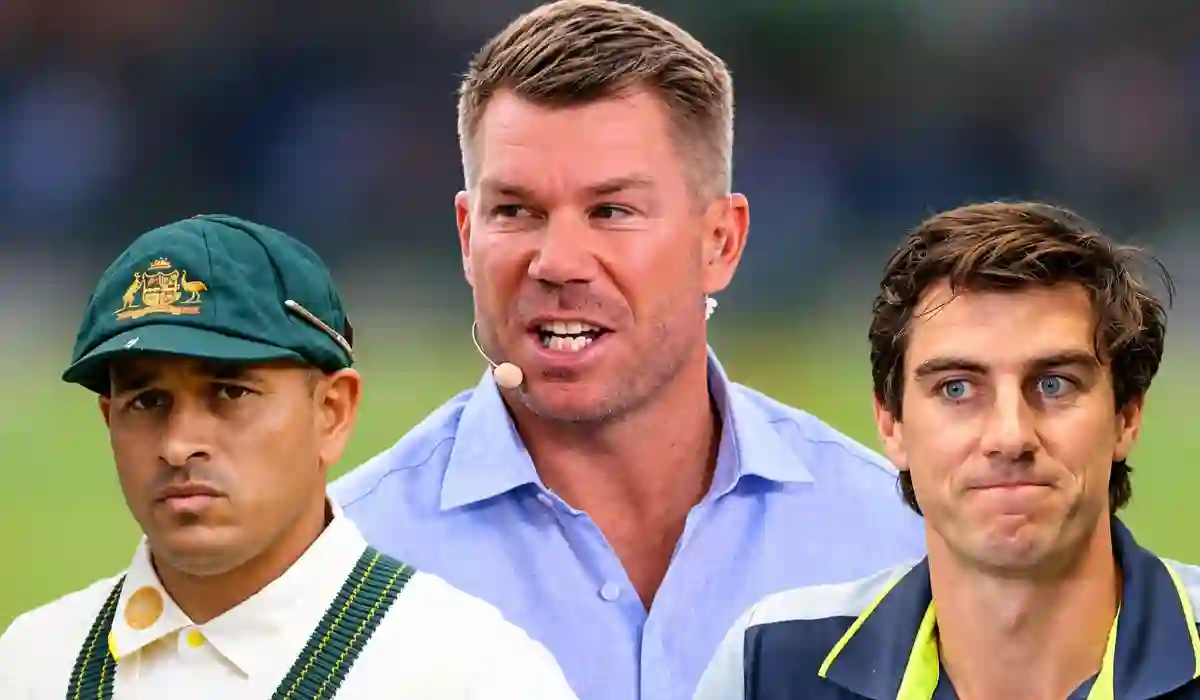
Australia's eight-year-old ball-tampering scandal has returned to the spotlight after former opener David Warner publicly questioned the investigation conducted by Cricket Australia (CA) into the 2018 Cape Town Test. Warner's comments follow fresh revelations in Usman Khawaja's autobiography, Sabr, which have reopened debate about how much the Australian dressing room knew about the incident.
The controversy centres on the third Test between Australia and South Africa at Newlands, Cape Town, in March 2018. Cameron Bancroft was caught on television cameras using sandpaper to alter the condition of the ball, triggering one of the biggest scandals in modern international cricket.
In an Instagram post on Saturday, Warner expressed dissatisfaction with the way Cricket Australia's investigation was conducted. He questioned why Khawaja, who was reportedly seated near Bancroft during the match, was not interviewed as part of the original inquiry.
Warner suggested that the investigation may have focused on identifying specific individuals rather than establishing the complete sequence of events. He also questioned why the accounts of Australia's fast bowlers were accepted without, according to the claims raised in the latest debate, properly interviewing them.
Mitchell Starc Raises Questions About the Investigation
Australia fast bowler Mitchell Starc has also expressed concerns about the investigation process.
Starc previously stated that he remained consistent with the account he had provided in 2021. He questioned why he, Josh Hazlewood and Nathan Lyon were reportedly not interviewed during the original investigation.
His comments have added another dimension to the renewed debate, particularly because the bowling group was central to Australia's plans during the Cape Town Test.
Pat Cummins Rejects Khawaja's Allegations
Current Australia Test captain Pat Cummins has strongly disputed Khawaja's claims.
Speaking during an extended press conference on Friday, Cummins denied having any knowledge of the plan to use sandpaper on the ball. He rejected suggestions that he or other members of the bowling group were involved in the scheme.
Cummins also criticised Khawaja's account, describing the allegations as baseless and warning that such claims could damage the reputations and careers of former teammates.
The contrasting statements have highlighted the divisions that remain among members of Australia's 2018 squad.
What Did Khawaja Reveal in His Autobiography?
In Sabr, Khawaja revisits the events surrounding the Cape Town Test and questions whether responsibility for the scandal was limited to the three players who received suspensions.
He describes conversations about the condition of the ball and recalls hearing a member of the coaching staff discuss increasing reverse swing with Bancroft.
Khawaja also writes that the atmosphere changed dramatically after Bancroft was caught on camera. He says he subsequently raised concerns with the team manager and believed the entire squad should accept responsibility for what had happened.
His account has brought renewed attention to the conduct of the team and the transparency of Cricket Australia's response.
Will Cricket Australia Reopen the Case?
Cricket Australia has shown little interest in reopening the investigation. The governing body maintains that the original process gave the players involved an opportunity to present their accounts.
However, Warner's latest criticism, Starc's questions and Khawaja's revelations have renewed calls for greater transparency.
The original sanctions saw Steve Smith and David Warner receive 12-month suspensions, while Bancroft was banned for nine months.
Nearly eight years after the incident, Sandpapergate remains a sensitive chapter in Australian cricket. Whether the latest developments will lead to further action from Cricket Australia remains uncertain.