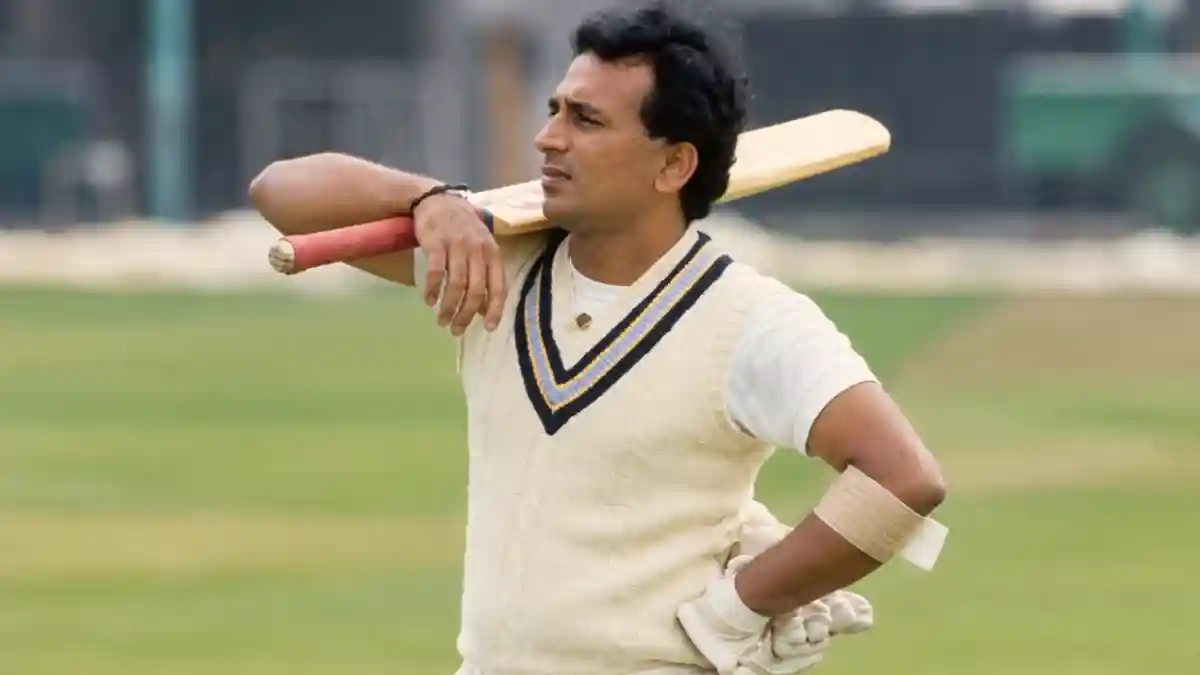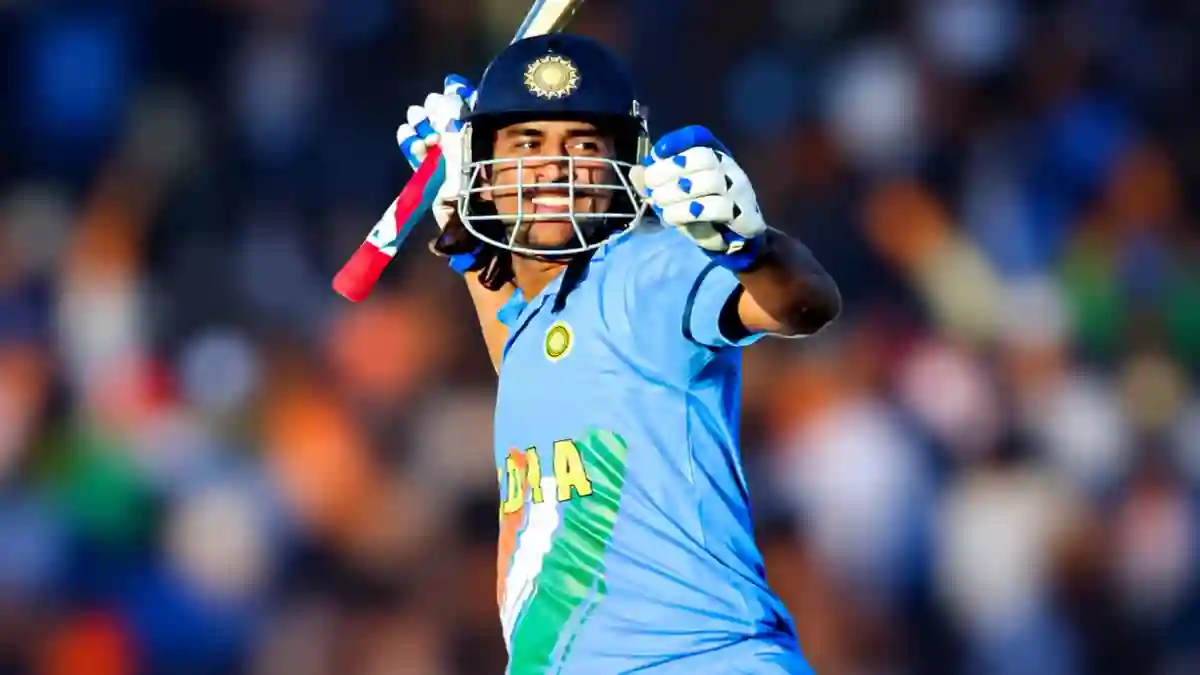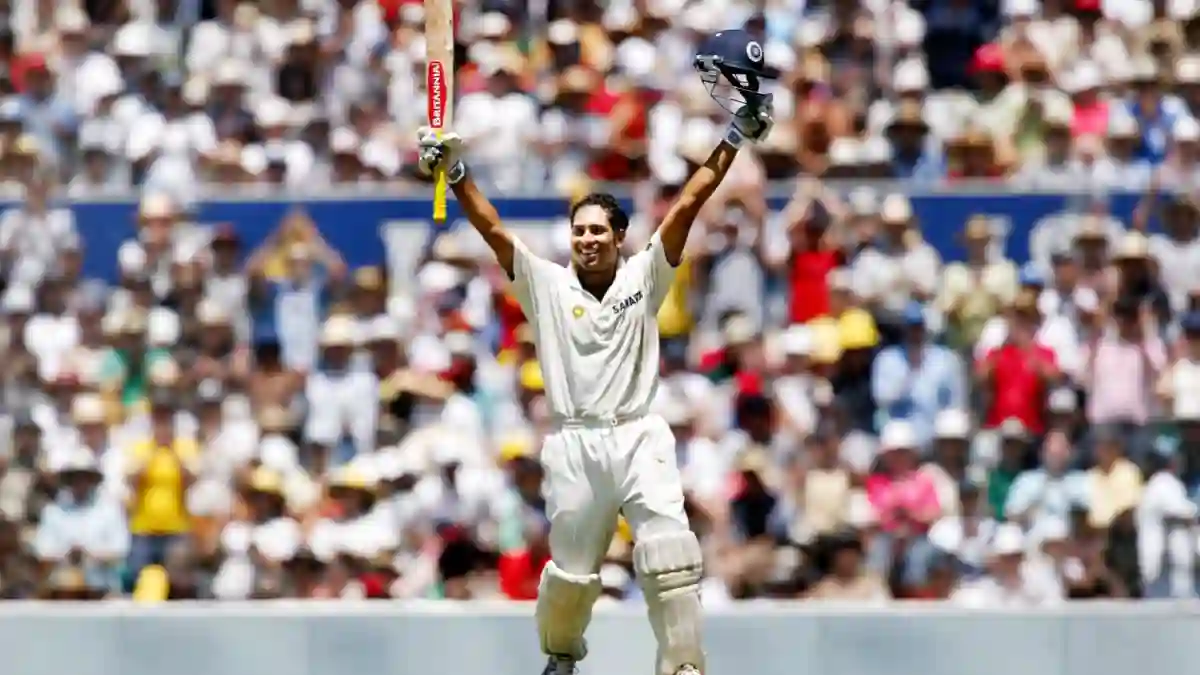
Indian cricket celebrates the birth anniversary of one of its most elegant and dependable middle-order batters, Vangipurapu Venkata Sai Laxman, popularly known as VVS Laxman, born on November 1, 1974, in Hyderabad.
Widely admired for his exceptional wristwork, effortless timing and ability to perform under pressure, Laxman established himself as one of the finest Test batters of his generation. His remarkable performances against Australia, in particular, earned him a special place in Indian cricket history.
Early Life and International Debut
Laxman grew up in Hyderabad and developed a passion for cricket at an early age. He represented Hyderabad in domestic cricket before earning recognition for his batting performances at the junior and first-class levels.
He made his Test debut against South Africa in Ahmedabad on November 20, 1996. Although opportunities were initially limited in a highly competitive Indian batting line-up, Laxman gradually established himself as a reliable middle-order option.
His early career included several impressive performances, most notably his 167 against Australia at the Sydney Cricket Ground in January 2000. The innings provided an early indication of his ability to challenge world-class bowling attacks.
The Historic 281 Against Australia
The defining chapter of Laxman's international career arrived during the 2001 Test series against Australia at Eden Gardens in Kolkata.
India entered the second Test after losing the opening match in Mumbai. In Kolkata, Australia posted 445 in their first innings before bowling India out for 171, securing a substantial first-innings lead and enforcing the follow-on.
Facing the prospect of an innings defeat, India needed a remarkable response. Laxman, promoted to No. 3, delivered one of the greatest innings in Test cricket history.
He scored an extraordinary 281 from 452 deliveries, spending more than 10 hours at the crease. His innings featured 44 boundaries and showcased his exceptional ability to combine patience with attacking stroke play.
Laxman found an outstanding partner in Rahul Dravid, who scored 180. Together, they produced a magnificent 376-run partnership for the fifth wicket, completely changing the direction of the contest.
India eventually declared their second innings at 657/7 before dismissing Australia for 212 to secure a famous 171-run victory.
The result ended Australia's remarkable 16-match Test winning streak and became one of the most celebrated comebacks in cricket history.
Laxman's 281 remained the highest individual Test score by an Indian batter at the time and became the defining performance of his career.
A Special Record Against Australia
Laxman's success against Australia was not limited to the famous Kolkata innings. He consistently produced important performances against one of the strongest bowling attacks of his era.
During the 2003–04 Australian tour, he played another crucial role in India's historic Adelaide Test victory. His 148-run innings, combined with Rahul Dravid's unbeaten 233, helped India recover from a difficult position and secure a memorable four-wicket win.
He was also involved in a remarkable 353-run partnership with Sachin Tendulkar during the Sydney Test in January 2004.
His ability to perform against Australia became a defining feature of his international career. Across 29 Tests against them, he accumulated 2,434 runs at an average of 49.67, including six centuries.
ODI Career and International Achievements
While Laxman became particularly renowned for his Test performances, he also represented India in One Day Internationals.
He made his ODI debut against Zimbabwe in Cuttack on April 9, 1998. His first ODI century came against Australia in Margao in April 2001, when he scored 101.
Laxman finished his ODI career with 2,338 runs in 86 matches, including six centuries and 10 half-centuries. His highest score was 131 against Zimbabwe.
Although he was not a regular member of India's limited-overs plans during the latter part of his career, his contributions remained valuable whenever opportunities arrived.
Retirement and Contribution to Indian Cricket
After an outstanding international career, Laxman announced his retirement from international cricket in August 2012.
He finished with 8,781 runs in 134 Test matches at an average of 45.97, including 17 centuries and 56 half-centuries. His highest score remained 281.
Following retirement, Laxman continued to contribute to the game through mentoring, coaching and cricket administration. He also became involved in developing young Indian cricketers and supporting the country's future cricketing talent.
His achievements earned him several prestigious honours, including the Arjuna Award in 2001, the Wisden Cricketer of the Year recognition in 2002 and the Padma Shri in 2011.
VVS Laxman's legacy extends beyond his impressive statistics. His ability to produce extraordinary innings in difficult circumstances, particularly against Australia, established him as one of India's most respected cricketing personalities.
On his birth anniversary, the cricketing world remembers a batter whose elegance, determination and unforgettable 281 at Eden Gardens continue to inspire generations of cricketers.
VVS Laxman – Player Details
Full Name: Vangipurapu Venkata Sai Laxman
Born: November 1, 1974
Birthplace: Hyderabad, India
Batting Style: Right-handed
Bowling Style: Right-arm off-break
International Career: 1996–2012
Test Matches: 134
Test Runs: 8,781
Test Average: 45.97
Test Centuries: 17
Test Half-centuries: 56
Highest Test Score: 281
ODI Matches: 86
ODI Runs: 2,338
ODI Average: 30.76
ODI Centuries: 6
ODI Half-centuries: 10
Highest ODI Score: 131